The 2nd Agentic AI for Medicine Workshop
at MICCAI 2026
Introduction
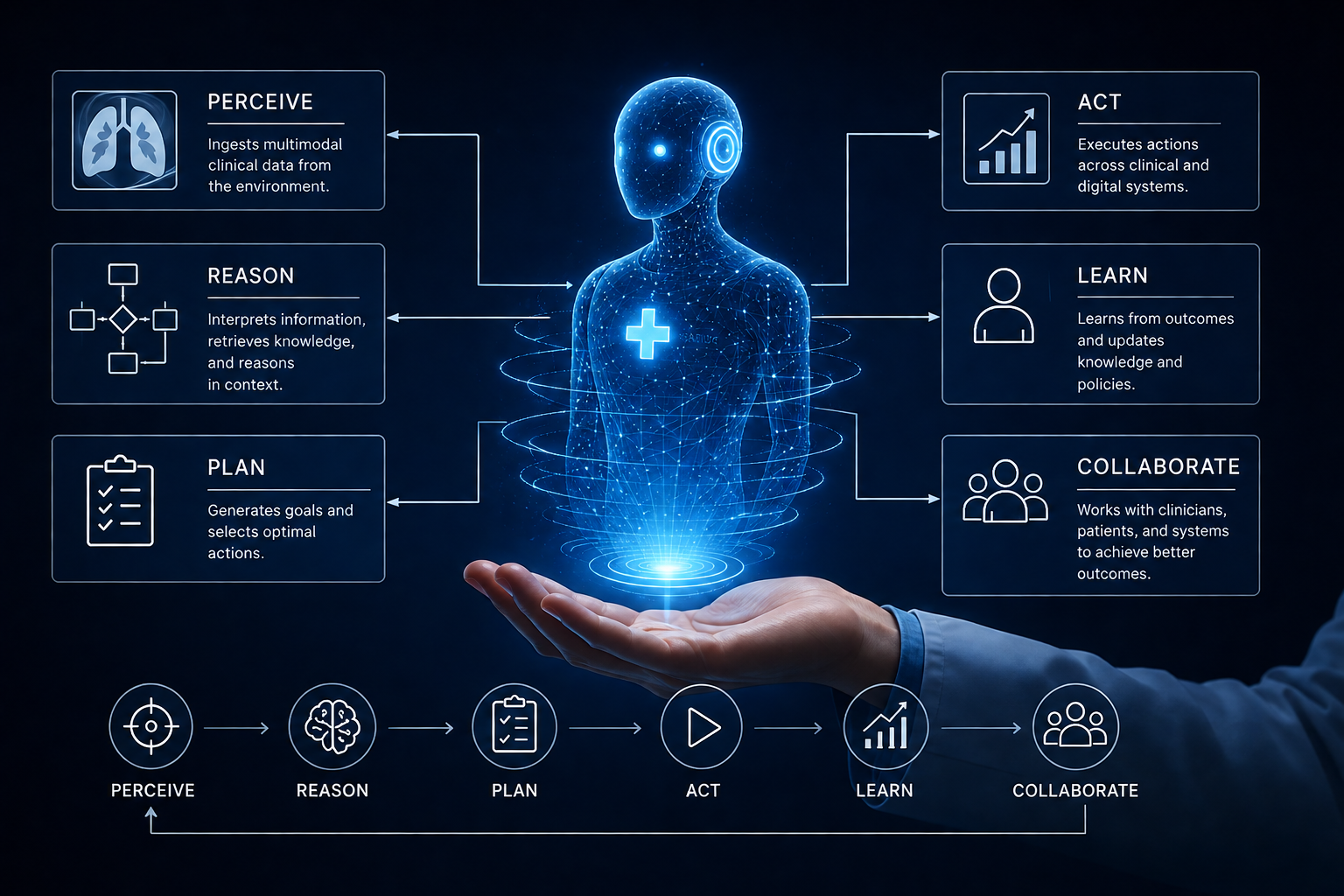
Agentic AI is emerging as a new paradigm in medical AI, following the eras of predictive AI and, more recently, generative AI. Building on the momentum from its inaugural edition, the 2nd Workshop on Agentic AI for Medicine continues to explore how autonomous and proactive AI systems can support medical vision, diagnosis, clinical decision-making, intervention, and robotics.
Unlike previous generations of medical AI, which execute predefined functions or generate outputs passively, agentic AI systems can perceive, plan, act, and reflect using large foundation models as their cognitive core. They can integrate domain-specific tools, reason over clinical guidelines, manage longitudinal patient data, and take autonomous actions within simulated or physical environments. Recent applications include AI-driven molecular design and chemical synthesis, agent-enabled clinical diagnosis, surgical vision with long-term memory, and embodied control of medical robots. Specialized agents can also collaborate as committees for complex diagnostic or treatment workflows, and they can generate executable code to reduce technical barriers for clinicians.
This 2nd Workshop on Agentic AI for Medicine aims to showcase the latest research, foster multi-disciplinary discussion, and identify opportunities, challenges, and risks associated with this burgeoning field. It serves as a forum for the medical imaging, clinical AI, robotics, and healthcare communities to chart the path toward safe, trusted, and high-impact agentic AI systems for future medical practice.
Call for Papers
We welcome submissions to this workshop. Topics include but are not limted to:
1. New theories, principles, and structures of medical and clinical AI agents
2. New reasoning, planning, and decision-making strategies of medical and clinical AI agents
3. New evaluation paradigms and benchmarks of medical and clinical AI agents
4. Large-scale datasets and tool usage repositories for developing medical and clinical AI agents
5. Adversarial robustness of medical and clinical AI agents
6. Applications of AI agents in medicine and healthcare
7. Scaling law of medical and clinical AI agents
8. Interpretability and explainability of medical and clinical AI agents
9. Large-scale agent-based modelling in digital health and medicine
10. Multiagent systems in medicine and healthcare
11. Decentralized methods for developing and deploying medical and clinical AI agents
12. AI agent ethics, safety, privacy, and regulations in medicine and healthcare
To recognize excellence, we will present two awards: Best Workshop Paper and Best Workshop Poster, each featuring an award certificate and a cash prize.
Papers must be submitted electronically in searchable PDF format using the MICCAI 2026 LaTeX or MS Word templates. Manuscripts can be up to 8 pages plus up to 2 pages of references.
Submission portal: OpenReview Agentic AI for Medicine Workshop
Submission deadline: 31 July 2026
Notification to authors: 15 Aug 2026 (Due to the large volume of submissions we have received, we need a few more days to complete all the reviews)
Camera-ready submission: 20 Aug 2026
Schedule
| 08:00-08:10 | Welcome | |
| 08:10-08:35 | Invited Talk 1 | |
| 08:35-9:00 | Invited Talk 2 | |
| 9:00-10:00 | Oral Session 1 | |
| 10:00-10:20 | Coffee Break and Poster Session | |
| 10:20-10:45 | Invited Talk 3 | |
| 10:45-11:10 | Invited Talk 4 | |
| 11:10-12:10 | Oral Session 2 | |
| 12:10-12:25 | Award Announcement | |
| 12:25-12:30 | Closing Remarks |
Invited Speakers
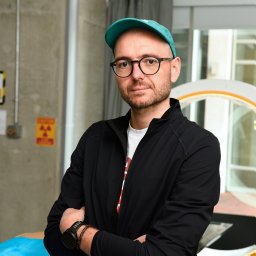
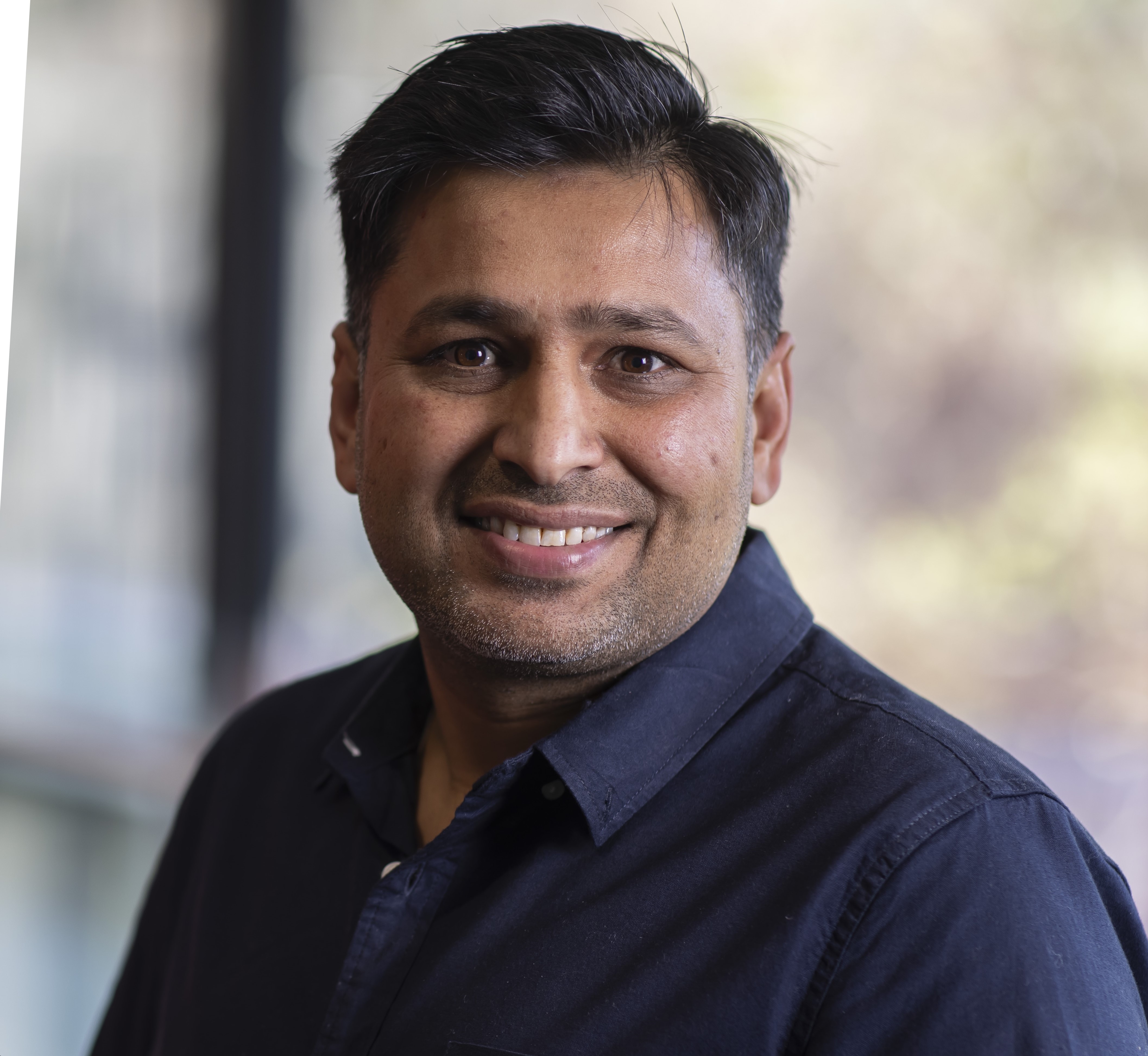
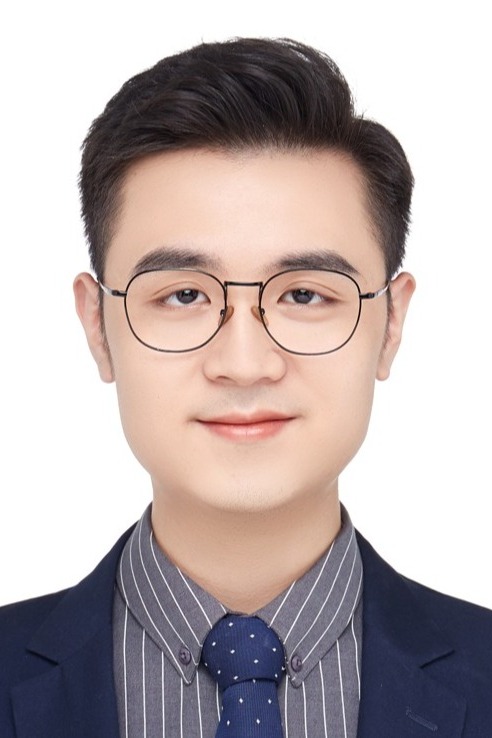
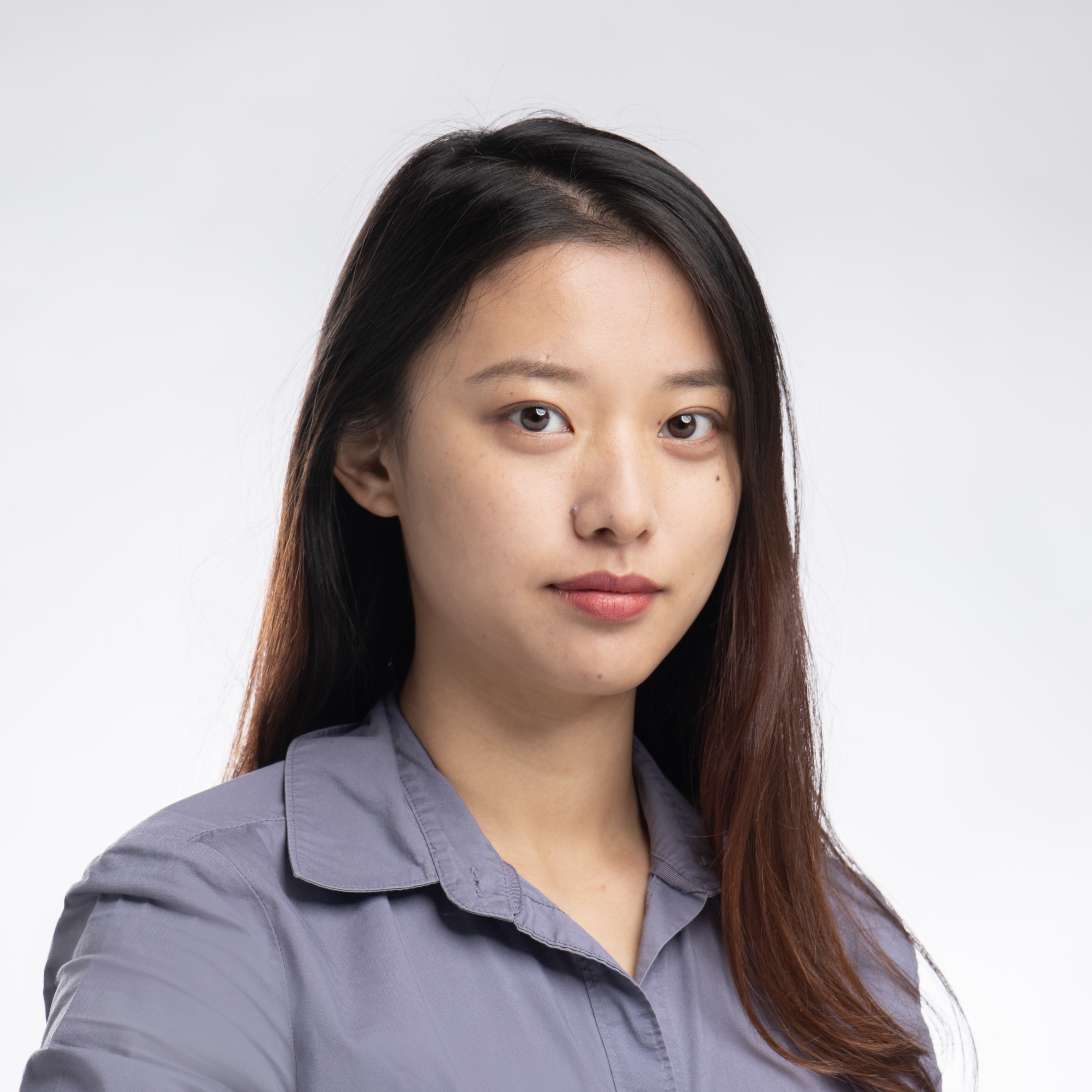
Mathias Unberath is the John C. Malone Associate Professor of Computer Science at Johns Hopkins University and co-founder and CTO of Semaphor Surgical. He builds the future of physical AI for healthcare – intelligent systems that perceive, reason, and act alongside people.

Jianing Qiu is an Assistant Professor at MBZUAI. He studies articifial intelligence in medicine and healthcare. His current research interests include medical foundation models, agents, and human-AI interactions.

Lena Maier-Hein is head of the division Intelligent Medical Systems at the German Cancer Research Center (DKFZ) and serves as managing director of the DKFZ Data Science and Digital Oncology cross-topic program. Her research concentrates on machine learning-based biomedical image analysis with a specific focus on surgical data science, computational biophotonics and validation of machine learning algorithms.
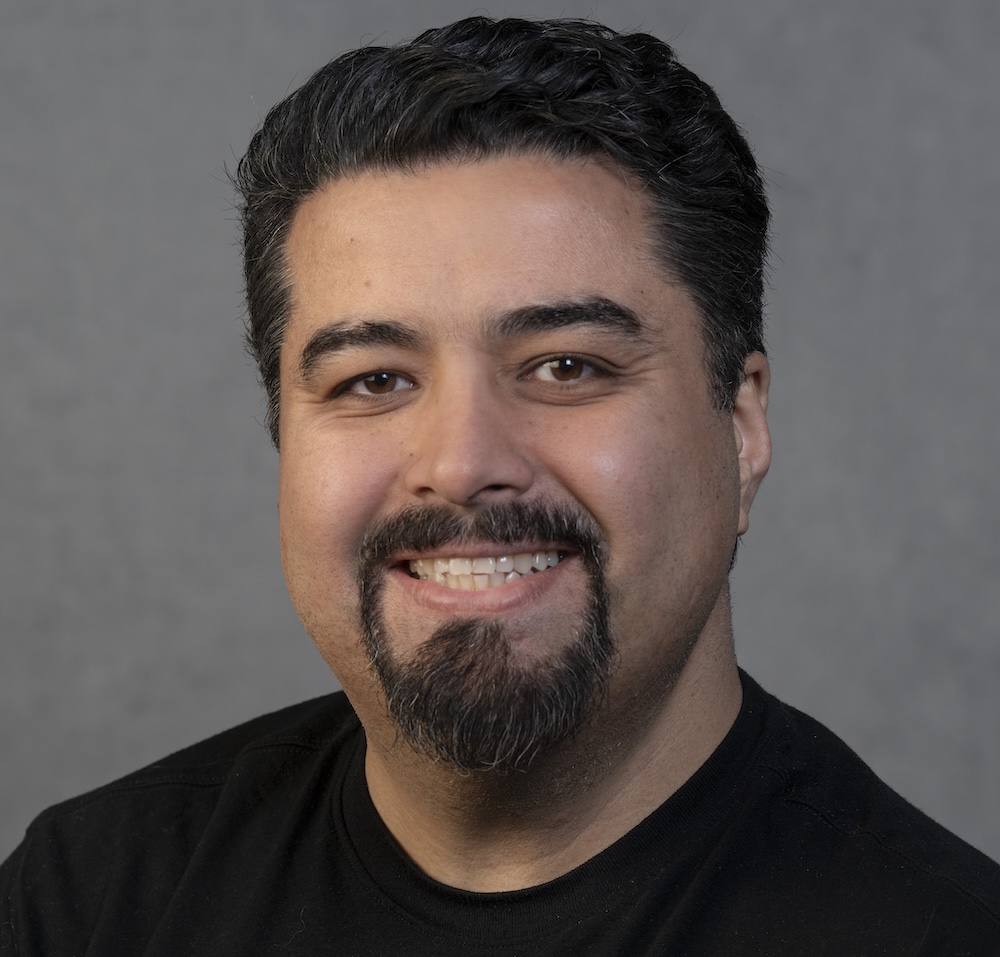
Ehsan Adeli is an Assistant Professor of Psychiatry & Behavioral Sciences and, by courtesy, of Computer Science and Biomedical Data Science at Stanford University. He is the Director of STAI Lab: Stanford Translational AI (STAI) in Medicine and Mental Health, and also a Co-Director of Stanford Initiative on AI for Mental Health (AI4MH) and the Stanford AGILE (Advancing technology for frailty and Longevity) Consortium.